

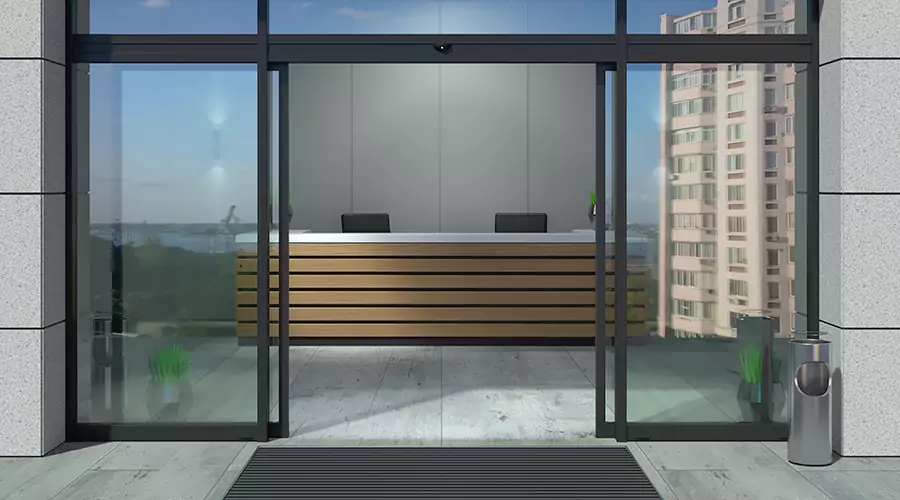

Sliding glass doors are designed to move smoothly, quietly, and with minimal effort. The key component that makes this possible is the roller system located at the bottom of the door. These small wheels carry the full weight of the door and allow it to glide along the track.
When rollers become worn, damaged, or misaligned, they do more than just make the door harder to move. They can directly affect safety, security, energy efficiency, and the overall performance of the entire sliding door system. In many cases, professional sliding door rollers repair can restore smooth operation and prevent further damage to the door and track components.
In this guide, we will explain how worn rollers impact your sliding door and why early replacement is important.
What Do Sliding Door Rollers Do?
Sliding door rollers are small wheel assemblies installed underneath the door frame. Their main function is to:
- Support the weight of the glass door
- Allow smooth horizontal movement
- Maintain proper alignment with the track
- Reduce friction during operation
A properly functioning roller system ensures the door glides effortlessly and stays aligned within the frame.
How Rollers Become Worn Over Time?
Rollers are constantly under pressure, which means wear is unavoidable.
Common causes of roller damage include:
- Daily use over long periods
- Dirt and debris inside the track
- Lack of lubrication
- Rust and corrosion
- Heavy door weight
- Improper installation or adjustment
As rollers degrade, their ability to support and guide the door weakens.
Signs of Worn Sliding Door Rollers
Before discussing the impact, it is important to recognize the warning signs.
Common symptoms include:
- Door feels heavy or difficult to slide
- Grinding or scraping noises during movement
- Uneven door height or tilt
- Door sticks at certain points
- Jerky or rough movement
- Door comes off track occasionally
These signs indicate that the rollers are no longer functioning properly.
How Worn Rollers Affect Sliding Door Performance?
1. Reduced Smoothness of Operation
One of the first noticeable effects is poor movement quality.
Worn rollers can cause:
- Rough sliding motion
- Increased friction on the track
- Jerky or inconsistent movement
Instead of gliding smoothly, the door feels like it is dragging or catching at multiple points.
2. Increased Force Required to Operate the Door
As rollers deteriorate, they lose their ability to roll freely.
This results in:
- Heavier door feel
- More effort required to open or close
- Strain on handles and frames
Over time, this added force can also damage other components of the door system.
3. Misalignment of the Door
Rollers help maintain proper door alignment within the track.
When they wear unevenly:
- One side of the door may drop lower
- The door may tilt inside the frame
- Gaps may appear around edges
Misalignment can lead to further operational issues and affect sealing performance.
4. Damage to the Sliding Track
Worn rollers can directly damage the track surface.
Instead of rolling smoothly, damaged rollers may:
- Scrape against the metal track
- Create grooves or dents
- Produce metal shavings
- Cause uneven wear patterns
Once the track is damaged, repair becomes more expensive and complex.
5. Compromised Door Safety
A sliding door with worn rollers is not just inconvenient, it can also be unsafe.
Safety risks include:
- Door suddenly slipping off track
- Unexpected jamming during movement
- Glass panel instability in extreme cases
If a door becomes too difficult to control, there is a risk of injury or damage.
6. Reduced Home Security
Worn rollers can prevent the door from closing and locking properly.
This can lead to:
- Misaligned lock engagement
- Gaps that prevent full closure
- Difficulty securing the door
A door that does not close tightly is easier to force open, creating a security vulnerability.
7. Poor Energy Efficiency
Sliding doors rely on tight alignment to maintain insulation.
Worn rollers can cause:
- Air leaks around the edges
- Gaps in weather stripping contact
- Reduced thermal insulation
This can result in:
- Higher energy bills
- Less comfortable indoor temperatures
- Increased strain on heating and cooling systems
8. Damage to Other Door Components
When rollers fail, other parts of the door system compensate for the imbalance.
This can lead to:
- Stress on the frame
- Wear on handles and locks
- Damage to weather stripping
- Track deformation over time
What starts as a small roller issue can become a full system problem.
9. Noisy Operation
A properly working sliding door should operate quietly.
Worn rollers often cause:
- Grinding sounds
- Squeaking noises
- Rattling during movement
Noise is usually an early indicator that maintenance is needed.
10. Complete Door Failure in Severe Cases
If worn rollers are not replaced in time, the door may eventually stop functioning properly.
Severe consequences include:
- Door getting stuck completely
- Roller collapse under weight
- Door coming off track entirely
At this stage, repairs may be more extensive and costly.
Repair vs Replacement of Rollers
Roller Repair or Replacement Is Enough When:
- Only rollers are worn or damaged
- The track is still in good condition
- The door frame is properly aligned
- Issues are detected early
More Extensive Repair May Be Needed When:
- The track is also damaged
- The frame is misaligned
- Multiple components are failing
How to Prevent Roller Damage?
Cleaning and Maintenance Tips
- Clean the track regularly to remove dirt and debris
- Use silicone-based lubricant on moving parts
- Avoid forcing the door when it sticks
- Inspect rollers periodically for wear
Usage Tips
- Do not slam or force the door
- Open and close the door gently
- Address small issues early before they worsen
When to Call a Professional?
Professional help is recommended if:
- The door is extremely hard to move
- Rollers appear damaged or inaccessible
- The door keeps coming off track
- There is visible misalignment
- Noise and friction continue after cleaning
A technician can safely inspect and replace rollers while checking for additional damage.
Final Thoughts
Worn sliding door rollers can significantly affect both performance and safety. What starts as a slightly stiff door can quickly turn into misalignment, track damage, security risks, and complete operational failure.
By recognizing early warning signs and addressing roller issues promptly, homeowners can maintain smooth operation, improve safety, and extend the life of their sliding door system. Regular maintenance and timely replacement are key to preventing more serious and costly problems in the future.
 Reviews
 (501)
(501)